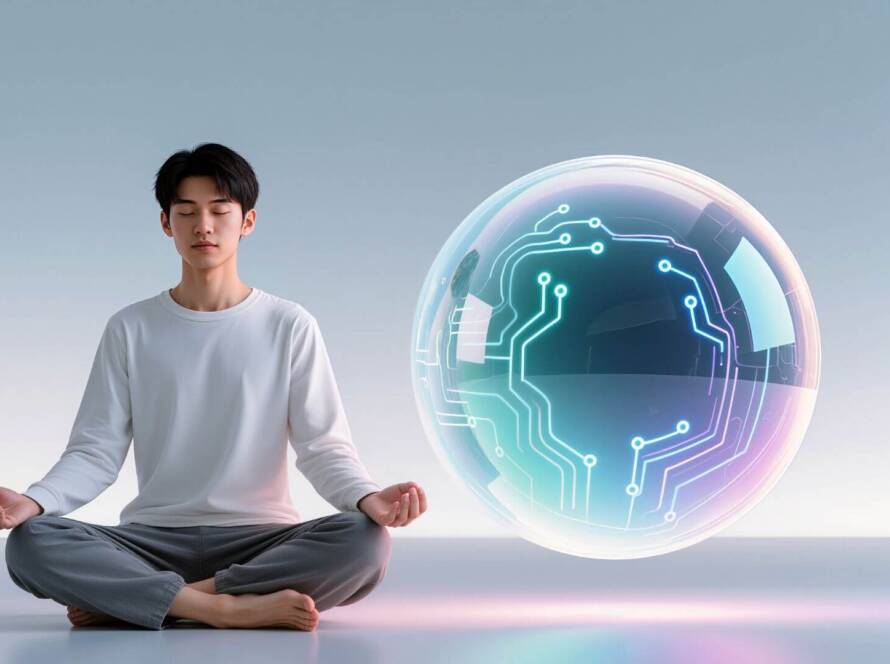
Discover how economic and political uncertainty impacts mental health and learn practical, evidence-based ways to find calm and resilience.
Why Are We Talking About “Uncertainty” More Than Ever?
Economic shifts, global conflicts, and rapid social change have made uncertainty a defining theme of our time. It’s no surprise that many people now describe feeling constantly “on edge” or “unsettled.” In therapy sessions, I’ve noticed a steady rise in clients struggling with anxiety linked not to personal events, but to the unpredictability of the wider world.
When we face instability, for example rising living costs, political tension, or climate fears, our brains naturally seek control and safety. Yet modern life often offers neither. This mismatch between our biological need for predictability and the reality of uncertainty can fuel chronic stress, anxiety, or even burnout (American Psychological Association, 2023).
How Instability Influences Psychological Wellbeing
Uncertainty challenges our core sense of security. Studies show that prolonged exposure to unpredictability increases emotional reactivity and worry (Grupe & Nitschke, 2013). When everything feels changeable, our nervous system stays on high alert, anticipating the next “threat.”
In my clinical work, I often see this manifest as:
- Difficulty relaxing, even during quiet moments
- Feeling mentally overloaded by news or social media
- Sleep or concentration problems
- A constant need to plan or control
Understanding that these are normal human reactions in stress inducing situations, not personal failings, is the first step towards recovery.
Practical Strategies for Coping in Uncertain Times
- Limit information overload. Choose reliable news sources and set specific times to check them. Continuous exposure keeps your stress system active.
- Anchor in daily structure. Simple routines such as consistent wake-up times, regular meals, evening wind-down, provide stability when the external world feels chaotic.
- Practice mindfulness and grounding. Evidence shows mindfulness reduces anxiety by increasing tolerance for uncertainty (Keng et al., 2011). Start small: two minutes of slow breathing or focusing on sensory details.
- Nurture connection. Uncertainty feels lighter when shared. Talk to trusted people or seek professional support if needed.
- Refocus on what’s controllable. Identify 1–2 small actions you can influence each day, this rebuilds agency and over time helps to calm the nervous system.
In summary
We can’t eliminate uncertainty but we can strengthen how we meet it. Psychological flexibility, compassion, and structure help us adapt without losing balance. At Luminara Psychology, I help clients develop these skills to feel more grounded and confident, even when the world around them feels unpredictable.
References:
- American Psychological Association. (2023). Stress in America 2023: A nation grappling with uncertainty. APA Press.
- Grupe, D. W., & Nitschke, J. B. (2013). Uncertainty and anticipation in anxiety: An integrated neurobiological model. Nature Reviews Neuroscience, 14(7), 488–501.
Keng, S. L., Smoski, M. J., & Robins, C. J. (2011). Effects of mindfulness on psychological health: A review. Clinical Psychology Review, 31(6), 1041–1056.